
Have you or someone you know ever used RoundUp to control weeds around your home or property? RoundUp, a popular herbicide developed in the 1970s, has been widely used by homeowners, farmers, and landscaping professionals. Its active ingredient, glyphosate, is effective at killing unwanted vegetation, making it a go-to product for decades. However, growing concerns over its safety have led to a wave of legal battles and questions about the long-term health impacts associated with exposure to the chemical.
What is RoundUp and Why Is It Under Scrutiny?
RoundUp is a glyphosate-based weed killer that gained popularity due to its effectiveness and ease of use. Glyphosate works by targeting a specific enzyme in plants, which inhibits their growth and eventually leads to their death. Since this enzyme isn't found in humans or animals, it was long assumed to be safe for widespread use.
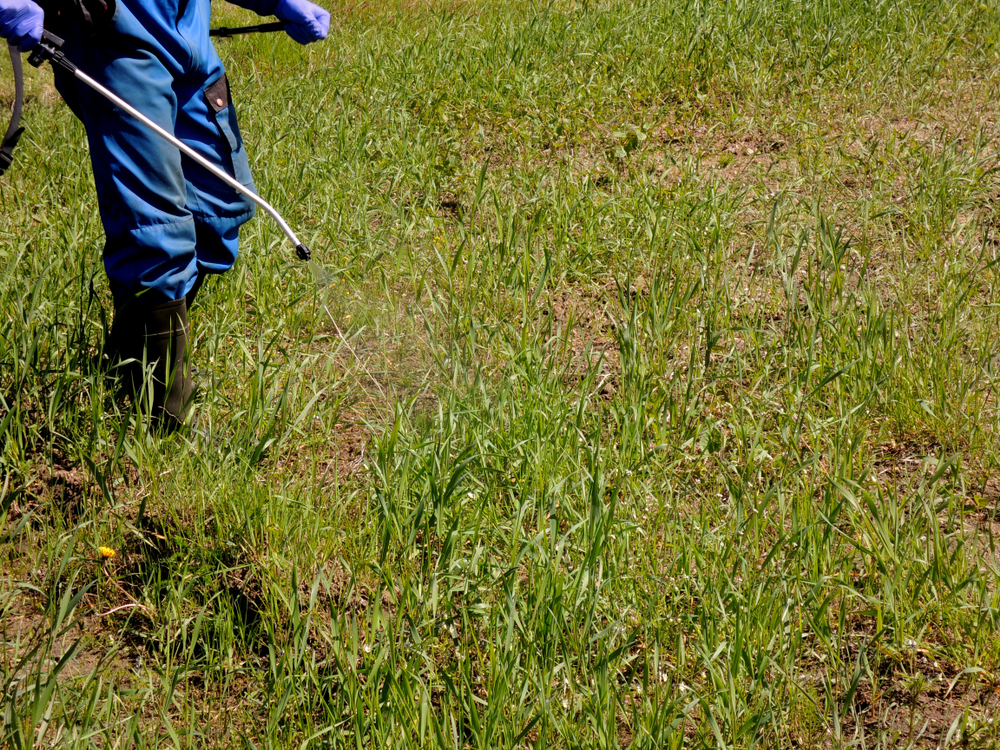
However, over the past two decades, multiple studies have raised concerns that glyphosate may be linked to serious health conditions, including non-Hodgkin’s lymphoma. As scientific and public scrutiny intensified, regulatory bodies across the globe took varying stances, with some labeling glyphosate as a potential carcinogen.
The Rise of Legal Action Against RoundUp
Thousands of individuals have filed lawsuits against the manufacturer of RoundUp, alleging that exposure to the product caused them to develop cancer or other severe health issues. These lawsuits argue that the company failed to adequately warn users about the risks associated with its product.
A significant number of these cases have resulted in substantial financial awards for plaintiffs, especially those who were diagnosed with non-Hodgkin’s lymphoma. As a result, interest in finding competent and experienced roundup attorneys has grown.
People who believe they may have been affected by RoundUp exposure often seek the support of roundup lawsuit lawyers to help navigate the complex legal process. Some of these cases are handled individually, while others fall under class action roundup suits.
Key Points About the RoundUp Legal Landscape
Understanding the scope and direction of the legal actions surrounding RoundUp can be helpful for those considering their options.
Critical Points to Be Aware Of
- Thousands of individual lawsuits have been filed, many resulting in verdicts awarding millions to plaintiffs.
- Courts have examined whether the manufacturer provided adequate warnings about the potential risks of glyphosate.
- Many lawsuits center around the link between glyphosate exposure and non-Hodgkin’s lymphoma.
- Class action roundup cases aim to address systemic harm that may have affected large groups of consumers.
- Plaintiffs often seek compensation for medical expenses, lost income, and emotional distress.
Who May Be Eligible to File a Lawsuit?
If you’ve regularly used RoundUp for personal or professional reasons and were later diagnosed with certain health conditions, you may qualify to pursue legal action. The most commonly reported illness among claimants is non-Hodgkin’s lymphoma, but other serious medical conditions may also qualify.
People Who Are at a Higher Risk of Qualifying
- Agricultural workers and farmers
- Gardeners and landscapers
- Property owners who frequently used RoundUp
- Employees in groundskeeping or maintenance roles
How to Choose the Right Legal Support
Selecting the right legal representation is critical if you're considering a claim. Many roundup lawsuit lawyers specialize in toxic torts and product liability, which are key areas of expertise for these types of cases.
When researching roundup lawyers, consider certain information.
- Experience: Look for firms with a strong track record in handling glyphosate-related cases.
- Resources: Larger firms often have more resources to take on complex, long-running cases.
- Reviews and Testimonials: Client feedback can provide insight into the lawyer’s communication and success rates.
- Transparency: The best roundup lawyers will offer clear, upfront information about fees, timelines, and what you can expect throughout the process.
What to Expect When Filing a RoundUp Lawsuit
The legal process can be lengthy, especially in complex product liability cases. Once you choose one of the lawyers for roundup lawsuit representation, they will typically begin with a consultation to assess the merits of your claim.
From there, you can expect a few steps to follow.
- A thorough review of your medical history and exposure to RoundUp
- Collection of evidence to support your claim, including work history and product usage
- Filing of a complaint and potential participation in pre-trial proceedings
- Negotiations for settlement or the possibility of a trial
Many plaintiffs have found success through settlement agreements, but some cases do go to court, where juries may award additional compensation for pain and suffering or punitive damages.
Taking the Next Step
If you or a loved one believe health complications may be connected to RoundUp exposure, it’s essential to act quickly. Legal timelines known as statutes of limitations could limit your ability to file a claim, depending on when you were diagnosed or first suspected the product may be to blame.
Working with experienced roundup attorneys ensures that you understand your rights and have a chance to hold responsible parties accountable.
Looking Beyond the Weeds
The RoundUp controversy is more than just a legal saga—it’s a story about consumer safety, corporate responsibility, and the long-term effects of chemicals once thought to be harmless. As the science evolves and more evidence comes to light, staying informed is vital.
Whether through individual litigation or class action roundup efforts, the pursuit of justice continues for those impacted by RoundUp’s legacy. If you suspect a connection between your health and this widely used herbicide, finding trusted roundup lawsuit lawyers may be one of the most important decisions you make.