
Could participating in a clinical trial give you access to a treatment approach that isn't yet widely available? Botox clinical trials investigate both established and emerging medical uses for Botox, but joining a study involves more than receiving injections. Before enrolling, it's worth understanding how the study fits your health goals, the commitment it requires, and what you can realistically expect throughout the process.
Start With The Purpose Of The Study
Not every botox clinical trial is asking the same question. One study may evaluate a treatment that is already approved for a different condition, while another may test a new dosage, injection schedule, or treatment technique.
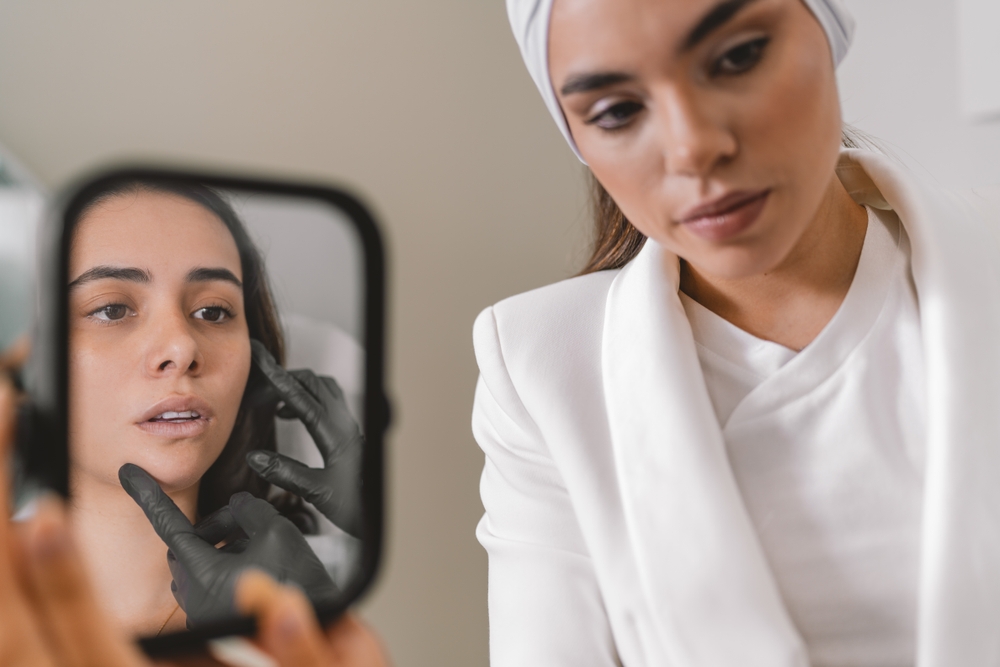
Understanding that purpose helps set realistic expectations. A study designed to compare two established treatment methods may offer a different experience than one investigating whether Botox is effective for an entirely new condition. Ask why the trial is being conducted and what researchers hope to learn. The answer often provides valuable context for everything else you'll experience during the study.
Think About How Participation Fits Your Life
Clinical trials require time that extends well beyond the treatment itself. Screening appointments, follow-up visits, questionnaires, and health monitoring are all part of the research process.
A study that appears straightforward may involve several clinic visits over multiple months. If you work full time, travel frequently, or manage other medical appointments, those scheduling demands deserve as much attention as the treatment being studied.
Ask about the expected timeline before enrolling. Knowing whether you'll return for two visits or ten can help you decide whether the commitment is realistic.
Understand What Different Medical Studies Involve
Your experience depends largely on the condition being studied.
If you're considering botox for depression clinical trials, expect researchers to pay close attention to changes in mood over time rather than immediate results. You may complete standardized mental health assessments, participate in regular follow-up interviews, and continue monitoring even after the injections have been administered.
By comparison, botox bladder clinical trials often focus on measurable changes in urinary symptoms. You may be asked to keep a bladder diary, complete symptom questionnaires, or undergo additional testing during follow-up visits. Those records allow researchers to determine whether improvements are consistent rather than temporary.
Understanding these differences helps you anticipate what participation may actually involve instead of focusing only on the treatment itself.
Review The Eligibility Requirements Carefully
Qualifying for a study is rarely based on a diagnosis alone.
Eligibility may depend on your age, previous Botox treatments, current medications, medical history, or other health conditions. Some studies are intended for people who have not responded well to standard therapies, while others specifically exclude participants who have already received Botox.
Eligibility Factors
- Your diagnosis
- Current medications
- Previous Botox treatment
- Other medical conditions
- Pregnancy or breastfeeding status
- Recent medical procedures
These requirements aren't meant to limit participation unnecessarily. They help protect participants while allowing researchers to evaluate results under consistent conditions.
Know What Costs Are And Aren't Covered
One practical question that deserves attention early is cost.
Many botox clinical trials cover the study medication and research-related appointments. Some also reimburse travel expenses or provide compensation for your time. However, routine medical care that falls outside the study protocol may still be billed through your insurance, depending on the trial.
Before agreeing to participate, ask for a clear explanation of which services are covered by the study sponsor and which expenses remain your responsibility. Understanding the financial details upfront can prevent misunderstandings later.
Learn Who Is Conducting The Research
The organization sponsoring a study is only one part of the picture.
You may see allergan botox clinical trials listed in research registries because Allergan played a major role in the development of Botox before becoming part of AbbVie. Other studies are conducted through universities, hospitals, or independent research organizations.
Rather than focusing solely on the sponsor's name, ask who will oversee your care, how safety will be monitored, and whom you should contact if concerns arise during the study. Those practical details often have a greater impact on your experience than the sponsor itself.
Ask Questions Before You Commit
Every clinical trial includes an informed consent process, but you should feel comfortable asking additional questions before making a decision.
Consultation Questions
- Could I receive a placebo?
- How many appointments are required?
- What side effects require immediate reporting?
- Can I continue my current treatments?
- What happens if I decide to leave the study?
- Will follow-up continue after treatment ends?
Clear answers can help you determine whether the study has been explained thoroughly and whether the expectations are realistic for your circumstances.
Participation Is About More Than Receiving Treatment
A clinical trial can provide access to structured medical research while contributing valuable information that may influence future care. At the same time, participation requires flexibility, ongoing communication with the research team, and an understanding that individual results cannot be guaranteed.
Approaching botox clinical trials with practical expectations allows you to evaluate the opportunity based on the full experience rather than the treatment alone. When you understand the study's purpose, time commitment, financial considerations, and follow-up requirements, you're in a much stronger position to determine whether participation aligns with your own circumstances.