
Have you or someone you love been recently diagnosed with diabetes and you're trying to understand what it really means? Diabetes is one of the most prevalent chronic health conditions in the world, affecting how your body processes blood sugar (glucose). Whether you’re learning about it for the first time or managing it for years, understanding the differences between types of diabetes and how they’re treated is essential for long-term health and wellness.
What Is Diabetes?
Diabetes is a condition where the body either doesn’t produce enough insulin or can’t effectively use the insulin it does produce. Insulin is a hormone that helps regulate blood sugar by allowing glucose to enter your cells for energy. Without proper insulin function, glucose builds up in the bloodstream, leading to a variety of health issues.
There are two main types.
- Type 1 diabetes: Often diagnosed in children and young adults, this autoimmune condition occurs when the immune system attacks insulin-producing cells in the pancreas. Those with type 1 diabetes must rely on insulin therapy to survive.
- Type 2 diabetes: The more common form, typically seen in adults over 40, though increasingly found in younger individuals due to obesity and sedentary lifestyles. This form involves insulin resistance, where the body doesn't respond properly to insulin.
Understanding the difference between type 1 vs type 2 diabetes is crucial because the treatment approaches and health implications differ significantly.
Recognizing the Symptoms of Diabetes
Many people live with diabetes for years without realizing it. That’s why early detection is key. Symptoms to watch for include the following.
- Frequent urination
- Excessive thirst
- Unexplained weight loss
- Fatigue
- Blurred vision
- Slow-healing wounds
If you notice these signs, it’s important to consult with a healthcare professional who can perform the necessary blood sugar tests and assessments.
Is Type 2 Diabetes Reversible?
One of the most common questions people ask is: is type 2 diabetes reversible? The answer isn’t black and white. While type 1 diabetes is not reversible, type 2 diabetes can often be put into remission through significant lifestyle changes. This doesn’t mean the disease is cured, but blood sugar levels can be managed without the need for medications in some cases.
Steps That May Lead to Remission
- Losing weight: Especially abdominal fat, which contributes to insulin resistance.
- Regular physical activity: Even moderate activity like walking can significantly improve glucose control.
- Healthy eating: A diet rich in whole grains, vegetables, lean proteins, and low in added sugars.
However, not all individuals will achieve remission, and many still require ongoing treatment.
Exploring Type 2 Diabetes Treatments
Managing type 2 diabetes involves a combination of lifestyle modifications, medications, and monitoring tools. Doctors typically tailor a treatment plan based on an individual’s blood sugar levels, age, weight, and other medical conditions.
Common Type 2 Diabetes Treatments
- Diet and exercise: These are the foundation of diabetes management.
- Oral medications: Such as metformin, which improves insulin sensitivity.
- Injectables: Like GLP-1 receptor agonists and insulin, used when oral medications aren't sufficient.
- Surgery: In some cases, bariatric surgery is considered for individuals with obesity and uncontrolled blood sugar.
A Closer Look at Type 2 Diabetes Medications
There are several classes of type 2 diabetes medications, each working in different ways to help control blood glucose levels.
- Metformin: The first-line treatment that lowers glucose production in the liver.
- Sulfonylureas: Stimulate the pancreas to release more insulin.
- SGLT2 inhibitors: Help remove excess glucose through urine.
- DPP-4 inhibitors: Increase insulin production and decrease liver glucose output.
- GLP-1 receptor agonists: Mimic a natural hormone that regulates blood sugar and appetite.
Choosing the right diabetes drugs often depends on individual needs and how the body responds to each class.
The Role of Glucose Monitoring
Keeping blood sugar levels within a target range is a daily task for people with diabetes. That's where monitoring becomes essential.
Types of Monitoring Tools
- Traditional glucose monitors: Require a finger prick to test a drop of blood.
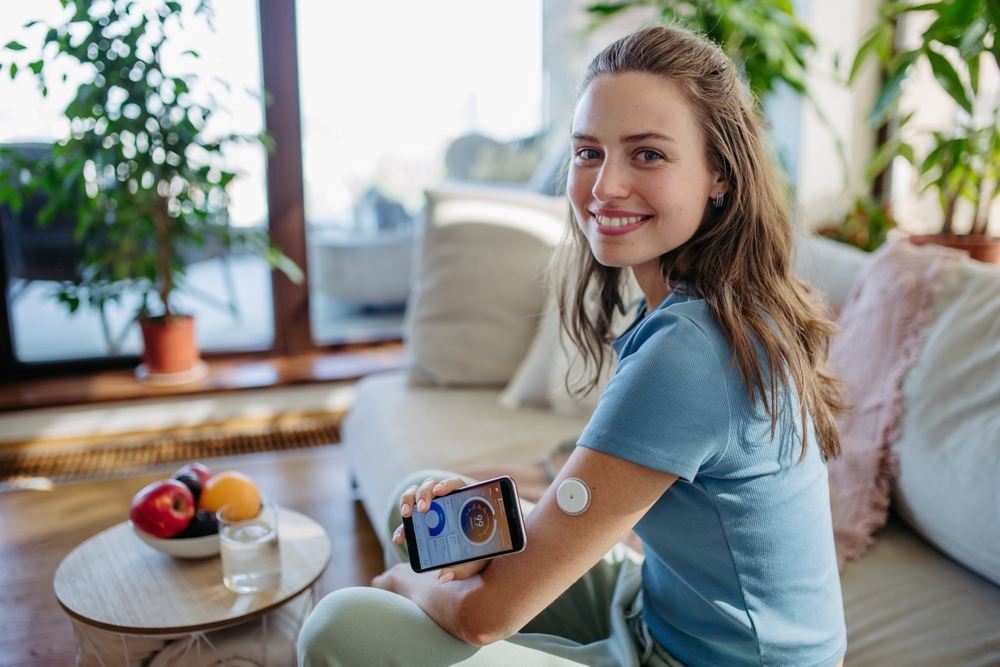
- CGM monitors (Continuous Glucose Monitors): Provide real-time tracking of glucose levels, sending alerts if they go too high or too low.
Many people are now turning to CGM monitors for convenience and improved glucose management. These devices are especially useful for those who experience frequent fluctuations or have difficulty recognizing symptoms of low blood sugar.
The Impact of Untreated Diabetes
When diabetes is not well-controlled, it can lead to serious complications over time.
- Heart disease and stroke
- Kidney damage (nephropathy)
- Nerve damage (neuropathy)
- Eye problems (retinopathy)
- Foot complications, including infections and amputations
This is why proactive treatment and regular monitoring are critical to long-term health.
Navigating Life with Diabetes: Empowerment Through Knowledge
Living with diabetes doesn’t mean life has to be limited—it means learning how to manage it effectively. Whether you're weighing the differences between type 1 vs type 2 diabetes, exploring the range of type 2 diabetes treatments, or asking, is type 2 diabetes reversible, staying informed is your strongest tool.
With the support of healthcare providers, the right combination of type 2 diabetes medications, and consistent use of glucose monitors or CGM monitors, many individuals lead full, active, and healthy lives.