
Is stepping into your traditional bathtub becoming a challenge? If so, a walk-in tub might be the perfect solution for enhancing your safety, comfort, and independence at home. Designed with accessibility in mind, walk-in baths provide an easy and secure way to bathe without the risk of slips and falls.
What Is a Walk-In Tub?
A walk-in tub is a specially designed bathtub that features a watertight door, allowing users to step in without having to climb over the high edge of a standard tub. Once inside, the door seals shut, and the tub fills with water. Many models also include additional safety features such as grab bars, non-slip flooring, and handheld showerheads.
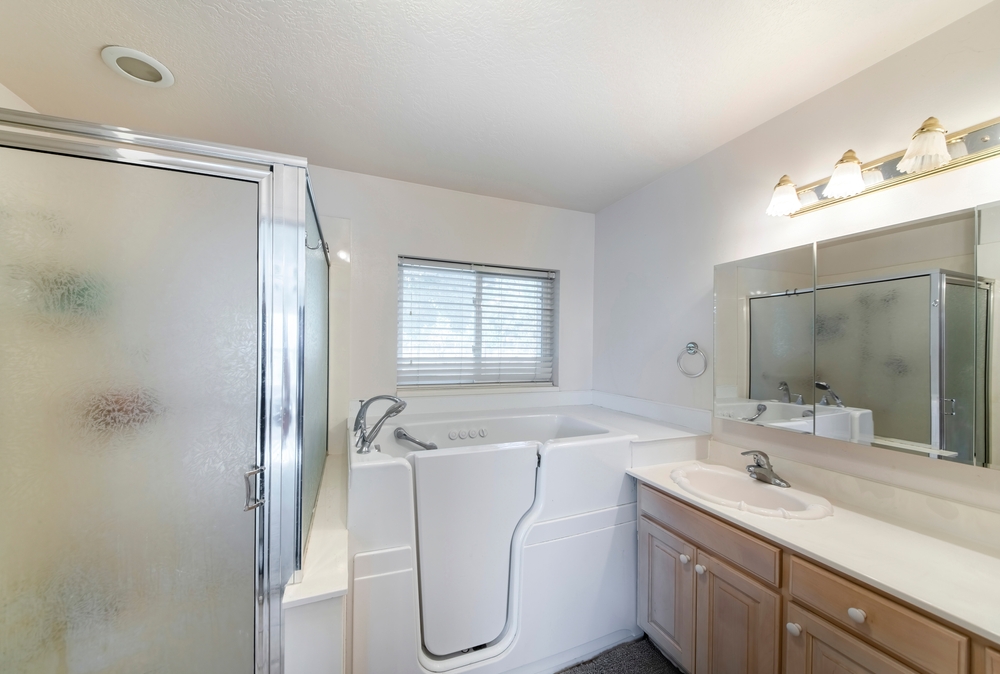
Walk-in shower tubs for seniors are particularly popular because they combine the benefits of a traditional bathtub with the accessibility of a walk-in shower. Some even offer shower conversion options, allowing users to switch between a seated bath and a standing shower for added convenience.
Key Benefits of Walk-In Tubs
1. Improved Safety
Falls in the bathroom are a leading cause of injuries among seniors and individuals with mobility challenges. Walk-in tub installation significantly reduces this risk by eliminating the need to step over a high tub wall. Many models also come equipped with anti-scald technology to prevent burns from hot water.
2. Hydrotherapy for Pain Relief
Many walk-in tubs include hydrotherapy jets that can provide relief for conditions like arthritis, muscle pain, and circulation issues. The warm water and gentle massage can help relax stiff joints, making bathing a therapeutic experience.
3. Enhanced Comfort and Independence
For those who value their independence, walk-in baths for the disabled and seniors allow for a more private and dignified bathing experience. Built-in seating ensures users can bathe comfortably, while easy-to-reach controls make adjusting water temperature and jet settings effortless.
4. Customization Options
Walk-in tub installation companies offer a variety of models with customizable features, including heated backrests, quick-drain technology, and even aromatherapy options. Homeowners can select a tub that best suits their needs and preferences.
5. Increased Home Value
Investing in a walk-in tub can enhance your home’s value, especially if you plan to age in place. Many potential buyers see the benefit of having an accessible bathroom, making this upgrade an attractive feature when selling your home.
Walk-In Bathtub Installation Process
1. Assessing Your Space
Before installation, a professional will assess your bathroom layout to determine the best placement for the tub. Many homeowners opt for a shower conversion, replacing an existing bathtub or shower with a walk-in tub.
2. Choosing the Right Tub
There are various models to choose from, including soaker tubs, wheelchair-accessible tubs, and combination tub-shower units. Your choice will depend on your mobility needs, available space, and desired features.
3. Preparing for Installation
Walk-in tub installation typically involves removing the existing bathtub or shower, modifying plumbing connections, and ensuring the surrounding structure can support the new fixture. Most installations take one to two days to complete.
4. Installation and Sealing
The new tub is securely installed, with connections made to existing plumbing. Proper sealing is crucial to prevent leaks, ensuring a watertight door and secure fittings.
5. Final Inspection and Testing
Once installed, the tub undergoes a thorough inspection to confirm that all components function correctly, including the watertight seal, drain system, and optional hydrotherapy features.
How to Choose the Best Walk-In Tub
1. Consider Your Needs
Are you looking for a basic soaker tub, or do you need additional features like hydrotherapy jets or wheelchair accessibility? Identifying your primary needs will help narrow down your choices.
2. Compare Walk-In Tub Installation Companies
Not all walk-in tub installation companies provide the same level of service and quality. Look for companies with strong customer reviews, warranties, and professional installation services.
3. Check for Safety Features
Prioritize tubs with essential safety features such as non-slip flooring, grab bars, anti-scald technology, and easy-to-reach controls.
4. Consider the Cost and Financing Options
Walk-in tubs range in price from $2,000 to $10,000 or more, depending on features and installation complexity. Some companies offer financing or payment plans to make the investment more manageable.
5. Look for Warranty and Support
A good warranty can provide peace of mind, covering issues like leaks, component failures, and installation defects. Make sure to choose a brand that offers reliable customer support.
Making Bathing Safer and More Comfortable
A walk-in tub can be a life-changing investment, providing safety, comfort, and therapeutic benefits for seniors and individuals with mobility challenges. Whether you’re looking to replace an existing tub, invest in a shower conversion, or explore walk-in shower tubs for seniors, choosing the right model and professional installation company can make all the difference. With the right setup, you can enjoy a safer and more relaxing bathing experience for years to come.