
Are you replacing your roof for the next 15 years, or hoping the next roof will be the last one you ever install? That question often shapes whether metal roofing or asphalt shingles make more sense. While both materials can protect your home effectively, their long-term costs, maintenance needs, durability, and overall ownership experience can differ in ways that become more noticeable over time.
Looking Beyond the Initial Installation Cost
The purchase price is often the first difference you'll notice. Asphalt shingles generally cost significantly less to install, making them attractive when working within a tighter budget or replacing a roof unexpectedly.
Metal roofing typically requires a larger upfront investment because of both the materials and the specialized installation. However, the initial price tells only part of the story. A roof is one of the few home improvements that may remain in place for decades, making lifetime ownership costs just as important as installation expenses.
For example, if you expect to own your home for many years, paying more initially may reduce the likelihood of another full roof replacement later. On the other hand, if you anticipate moving within several years, recovering that higher investment may be less important than minimizing upfront costs.
Expected Lifespan Can Change the Equation
One of the biggest differences between these roofing materials is longevity.
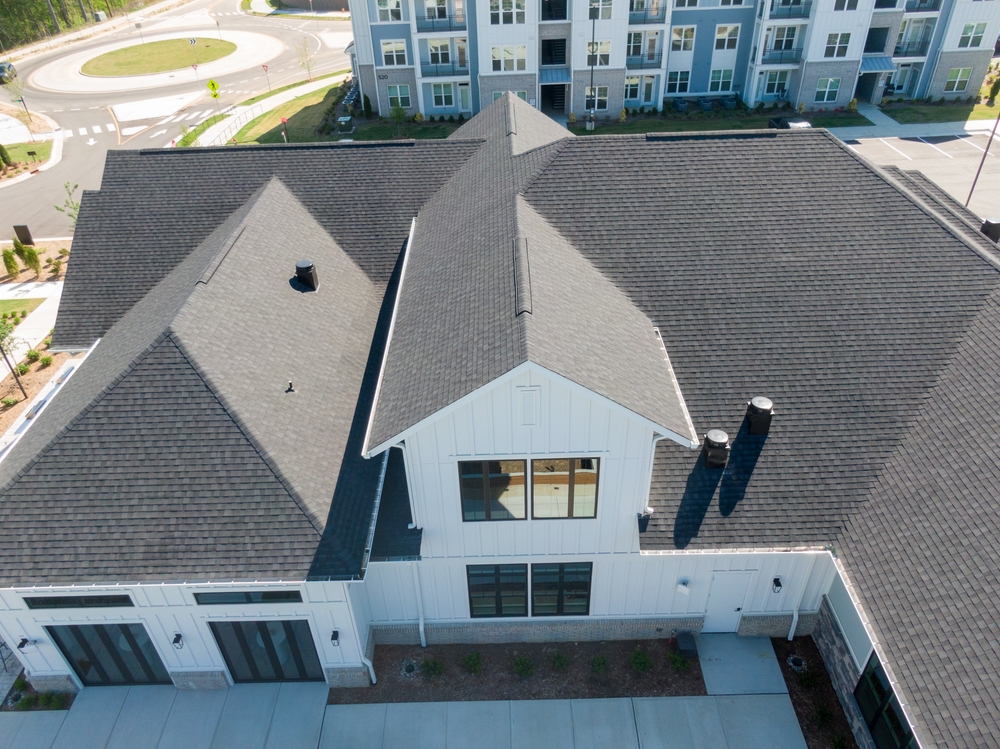
Quality asphalt shingles commonly last between 20 and 30 years, although climate, ventilation, installation quality, and maintenance all influence actual performance.
Metal roofing often remains functional for 40 to 70 years or longer depending on the product. Standing seam systems generally outlast exposed-fastener metal roofs because there are fewer opportunities for fasteners to loosen or allow water intrusion over time.
Rather than focusing only on manufacturer warranties, think about your long-term ownership plans. Installing two asphalt roofs over several decades may ultimately cost more than installing one metal roof, even if the initial expense is much higher.
Maintenance Requirements Over Time
No roofing material is completely maintenance-free, but ongoing upkeep varies considerably.
Maintenance Differences
- Asphalt shingles may require periodic replacement of damaged shingles after severe weather.
- Metal roofs should be inspected for loose fasteners, sealant deterioration, or debris accumulation.
- Flashing, gutters, and roof penetrations deserve regular attention regardless of roofing material.
The quality of installation often has as much influence on maintenance needs as the roofing material itself. Even premium products can develop problems if flashing details, ventilation, or underlayment are installed incorrectly. Choosing an experienced roofing contractor is often a better investment than simply upgrading materials.
Weather Resistance Is About More Than Durability
Different climates place different demands on a roof, making one material more practical than another depending on local conditions.
Metal roofing sheds rain and snow efficiently because of its smooth surface. It also resists rot, insect damage, and many forms of moisture-related deterioration. Many metal roofing systems are engineered to perform well during high winds when properly installed.
Asphalt shingles have improved substantially over the years, with many premium architectural shingles offering impressive wind ratings and impact resistance. However, repeated exposure to extreme temperature swings, prolonged sunlight, or severe storms may gradually shorten their lifespan.
If your property experiences frequent hail, heavy snowfall, or high winds, comparing impact ratings and wind certifications may be more valuable than focusing solely on the roofing material itself.
Energy Efficiency and Seasonal Comfort
Roofing material can influence energy consumption, although insulation, attic ventilation, and air sealing remain equally important.
Many modern metal roofing products feature reflective coatings that reduce solar heat absorption. During warmer months, this may help lower cooling demands by reflecting more sunlight away from the home.
Traditional dark asphalt shingles tend to absorb more heat, although lighter-colored shingles and newer reflective products can narrow this difference considerably.
Rather than expecting dramatic utility savings from roofing material alone, view energy efficiency as one component of an overall roofing system that includes insulation, ventilation, and proper attic airflow.
Appearance, Repairs, and Future Flexibility
A new roof changes the appearance of your home more than many other exterior improvements.
Asphalt shingles are available in a wide range of colors, textures, and architectural styles that complement many traditional homes. Because individual shingles can often be replaced, repairing isolated damage may be relatively straightforward when matching materials remain available.
Metal roofing offers several distinct styles, including standing seam panels and products designed to resemble shingles, slate, or wood shakes. While metal panels are highly durable, repairs sometimes require larger panel replacements or specialized expertise depending on the roofing system.
If you anticipate adding solar panels in the future, discuss those plans with your roofing contractor before installation. Certain standing seam metal roofs allow solar mounting systems that avoid penetrating the roof surface, while other roofing systems may require different attachment methods.
Insurance, Resale, and Long-Term Ownership
The financial impact of your roofing choice extends beyond installation costs.
Ownership Factors
- Some insurance companies offer discounts for roofing systems with higher impact or fire resistance ratings.
- A newer roof may improve buyer confidence if you eventually sell your home.
- Premium roofing materials can contribute to perceived value, although resale returns vary by market.
These benefits should be viewed as possible advantages rather than guaranteed financial returns. Local insurance policies, neighborhood expectations, and housing market conditions all influence whether those long-term benefits translate into measurable savings.
Choosing a Roof That Matches Your Ownership Timeline
The better roofing material is often the one that aligns with how long you expect to own your home and how you prefer to manage maintenance expenses.
If keeping upfront costs manageable is the highest priority, asphalt shingles remain a dependable and widely used solution that can provide decades of reliable protection when properly installed.
If you expect to stay in your home for many years and want to minimize future roof replacements, metal roofing may justify its higher initial investment through its durability, longevity, and reduced maintenance needs.
Whichever material you select, the quality of installation, proper ventilation, and ongoing maintenance will have as much influence on long-term performance as the roofing product itself. A well-designed roofing system installed by an experienced professional is more likely to deliver lasting value than simply choosing the most expensive material available.