
Have you reached the point where getting into a traditional bathtub feels more difficult than it used to? A walk-in tub can improve comfort, confidence, and independence while making everyday bathing less physically demanding. Before moving forward, it helps to understand how different designs, installation methods, and bathroom layouts influence both the experience and the long-term value of the investment.
Why Walk-In Tubs Continue to Grow in Popularity
A walk-in tub is designed to reduce the physical effort required to bathe. Instead of stepping over a high tub wall, you enter through a low-threshold door and sit on a built-in seat while the tub fills. This design can make bathing more comfortable if balance, flexibility, or joint mobility has become a concern.
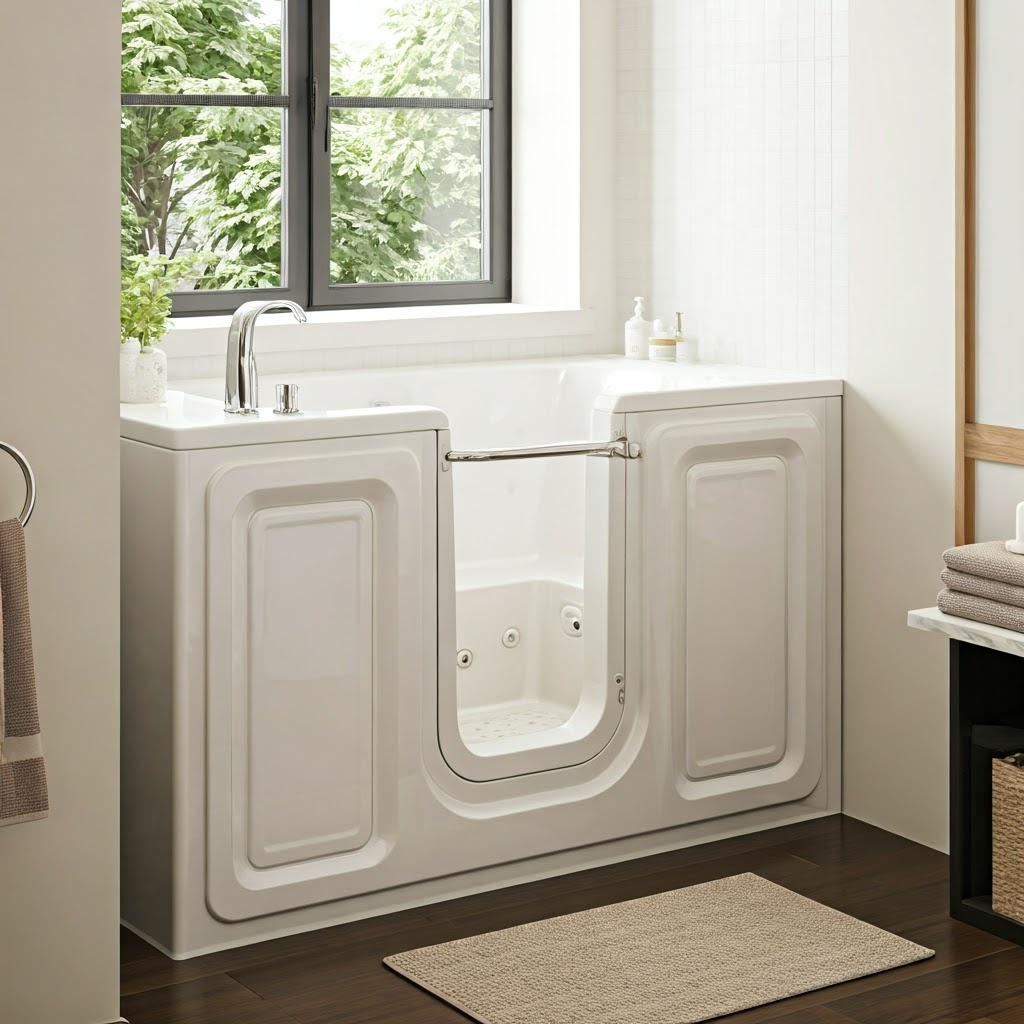
Many modern models also include features intended to improve comfort beyond accessibility. Heated backrests, hydrotherapy systems, quick-drain technology, and handheld shower wands can transform a routine bath into a more relaxing daily experience.
While every model shares the same basic purpose, the differences between products become much more noticeable once you begin comparing features that affect everyday use.
Choosing a Tub That Matches Your Lifestyle
Not every walk-in tub offers the same experience. Some prioritize compact dimensions that fit into existing bathroom layouts, while others maximize interior space or include therapeutic features.
If soaking is an important part of your routine, deeper tubs with ergonomic seating may be worth the additional investment. If ease of entry is your primary concern, a simpler model with a wider doorway and lower threshold may provide everything you need without paying for unnecessary upgrades.
Think about how long you typically spend bathing. Someone who enjoys longer soaks may appreciate premium comfort features, while someone who prefers shorter bathing sessions may place greater value on faster filling and draining systems.
Understanding the Installation Process
Walk in tub installation usually begins with removing the existing bathtub and preparing the plumbing connections for the new fixture. Although many walk-in tubs are designed to fit standard bathtub spaces, adjustments are often needed to accommodate different drain locations, faucet placements, or electrical components.
Some installations are completed with minimal construction, while others require wall repairs, flooring work, or upgraded plumbing.
Project Components
- Existing bathtub removal
- Plumbing modifications
- Electrical work for powered features
- Wall finishing and waterproofing
- Final safety and leak testing
A detailed inspection before work begins helps identify potential challenges early, reducing the likelihood of unexpected delays once demolition starts.
Comparing Walk-In Tubs and Shower Conversions
Although walk-in tubs receive much of the attention, they are not the only accessibility upgrade available. In some situations, a shower conversion may better suit your needs.
Tub to shower conversion companies replace an existing bathtub with a low-threshold shower that is easier to enter and exit. These projects often include grab bars, built-in seating, handheld showerheads, and slip-resistant flooring.
Walk in shower companies may also create fully customized spaces that accommodate wheelchairs, walkers, or caregiver assistance more comfortably than a traditional bathtub.
If you rarely take baths and primarily shower, converting to a walk-in shower may provide a more practical everyday solution. If you value soaking or find sitting in warm water beneficial, a walk-in tub remains a compelling option.
Looking Beyond the Purchase Price
The advertised cost of a walk-in tub represents only part of the overall project. Installation expenses, electrical work, plumbing updates, wall repairs, and finishing materials all contribute to the final investment.
Additional features can also influence pricing. Hydrotherapy jets, heated seating, aromatherapy systems, larger doors, and premium finishes increase both the purchase price and installation complexity.
Rather than comparing estimates solely by total cost, review exactly what each proposal includes. Two quotes that appear similar may differ significantly in labor, warranties, or finishing work.
Features That Make Everyday Use Easier
Many premium features sound attractive, but some have a much greater impact on daily comfort than others.
Practical Features
- Fast-fill faucets
- Rapid-drain systems
- Slip-resistant flooring
- Easy-to-operate controls
- Wide, comfortable seating
Features like these improve the overall experience every time you use the tub. Even relatively small design details, such as the placement of grab bars or the height of the seat, can make entering and exiting feel significantly more natural.
Working With Experienced Installers
Professional installation is just as important as selecting the right tub. Proper leveling, waterproofing, plumbing connections, and door adjustments all affect long-term reliability.
Experienced walk in tub installers should evaluate the condition of the existing bathroom before providing a final proposal. Older homes occasionally require additional plumbing or structural work that cannot be identified from photographs alone.
You should also understand what happens after installation. Ask whether the installer provides follow-up service, warranty support, and maintenance guidance if adjustments become necessary after the tub has been used.
Planning for Years of Comfortable Bathing
A bathroom renovation should continue serving your needs long after construction is complete. Thinking ahead allows you to choose a design that remains practical even if mobility changes over time.
Additional accessibility improvements, including improved lighting, comfort-height toilets, wider entryways, and strategically placed grab bars, can complement a walk-in tub without requiring another major renovation later.
Whether you ultimately select a walk-in tub or work with tub to shower conversion companies on a shower conversion project, planning around both your current routine and future comfort helps create a bathroom that remains functional, welcoming, and easy to use for years to come.