
Would you enjoy your windows adjusting automatically throughout the day without reaching for a cord or remote every time? Motorized window shades have become increasingly practical thanks to quieter motors, rechargeable batteries, and smart home integration. Before installing them, it helps to understand how different systems are powered, where automation provides the greatest benefit, and which features can make a noticeable difference in everyday use.
Start With How You Want to Use Them
Motorized window shades can serve different purposes depending on where they're installed. In one room, your priority may be blocking afternoon glare on a television. In another, it may be maintaining privacy while still allowing natural light to filter through.
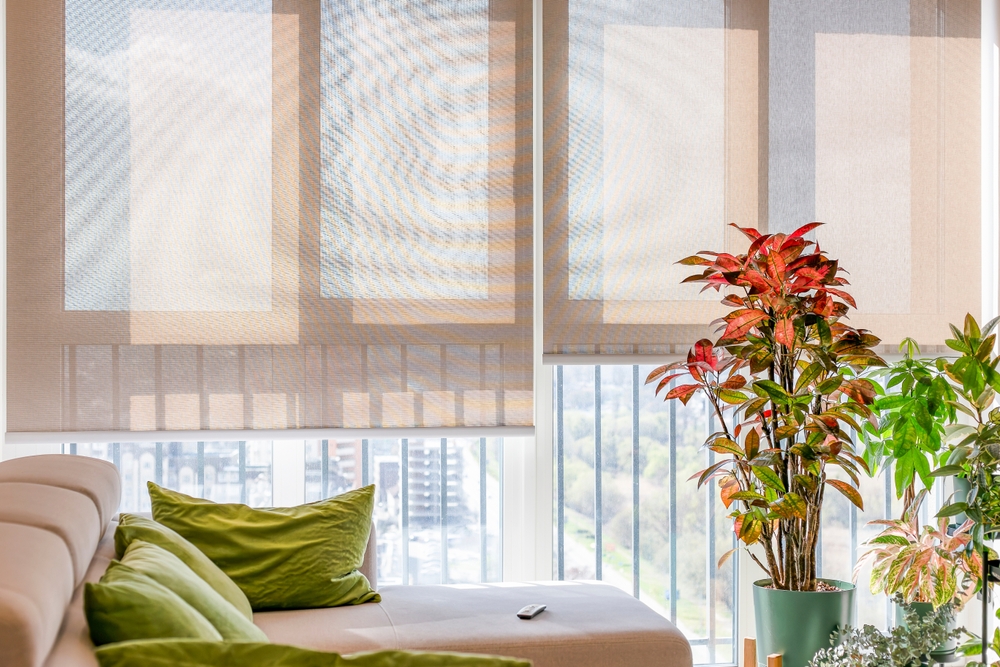
Think about your daily routine rather than focusing solely on the technology. A bedroom may benefit from blackout shades that open automatically each morning, while a living room may be better suited to light-filtering fabrics that reduce glare without making the space feel dark.
If your home includes tall windows, skylights, or hard-to-reach areas, motorization can become more than a luxury. Eliminating the need for manual operation may improve both convenience and safety while making those windows practical to use every day.
Compare Battery-Powered and Hardwired Systems
One of the biggest installation decisions is how the shades receive power. Each option offers meaningful advantages depending on your home's layout and whether you're building, remodeling, or simply upgrading existing windows.
Battery-powered systems are often the easiest to install because they require little or no electrical work. Many modern rechargeable batteries can operate for months before needing another charge, making them practical for many households.
Hardwired systems connect directly to your home's electrical system. Although installation is more involved, they eliminate battery maintenance and can provide a cleaner appearance since no charging ports or battery packs are needed.
Your decision may depend on several factors.
Power Considerations
- Existing electrical wiring
- Number of windows being automated
- Accessibility for battery charging
- Long-term maintenance preferences
If you're remodeling or constructing a new home, hardwired shades may be easier to justify because electrical work is already underway. For an existing home, battery-powered systems often reduce installation time and overall project complexity.
Understand Smart Home Compatibility
Many motorized shades now integrate with smart home platforms, allowing schedules, voice commands, and automation routines.
What You Can Program Shades For
- Open at sunrise
- Lower automatically during the hottest part of the afternoon
- Close at sunset for added privacy
- Coordinate with lighting scenes during movie nights
Not every system works with every smart home ecosystem. Before purchasing, verify compatibility with the devices you already own, whether that's Amazon Alexa, Google Home, Apple Home, Samsung SmartThings, or another automation platform.
Future expansion also matters. Even if you only plan to automate a few windows today, choosing a system that supports additional shades later can prevent compatibility issues if your needs grow.
Think Beyond the Cost of the Shades
The advertised price of motorized window shades often reflects only part of the total investment.
Additional Costs
- Professional measuring
- Custom fabrication
- Installation
- Smart home hubs or bridges
- Electrical work for hardwired models
- Premium fabric upgrades
Larger windows generally require more powerful motors, which can increase pricing. Custom-shaped windows, bay windows, and oversized glass walls may also involve specialized hardware.
While the initial investment is higher than manual shades, automation may improve energy efficiency by helping manage indoor temperatures throughout the day. Scheduled operation can reduce heat gain during sunny afternoons or help retain warmth during cooler months, potentially lowering heating and cooling demands over time.
Fabric Selection Matters as Much as the Motor
It's easy to focus on the technology while overlooking one of the most important decisions: the fabric itself.
The motor controls movement, but the fabric determines how the room actually functions. Blackout materials create darker sleeping environments, while solar fabrics preserve outdoor views and reduce glare without eliminating natural light.
Light-filtering fabrics strike a balance between brightness and privacy, making them popular for kitchens, family rooms, and dining spaces.
Think about how each room is used throughout the day. A home office with direct afternoon sunlight may benefit from a solar fabric that reduces screen glare, while a nursery may benefit from blackout shades that support daytime naps.
Choosing the right fabric from the beginning can prevent disappointment after installation, even if the motorized system performs perfectly.
Accurate Measurements Prevent Expensive Mistakes
Motorized shades are often custom manufactured, which means measurement errors can become costly.
Inside-mounted shades require sufficient window depth for the hardware, while outside-mounted shades may better cover uneven window frames or maximize light blockage.
Measurement Priorities
- Window width at multiple points
- Window height at multiple points
- Mounting depth
- Obstructions such as window cranks or trim
- Clearance for decorative molding
Professional measurement is frequently worthwhile because replacement costs for incorrectly sized custom shades can exceed the cost of the measuring service itself.
Evaluate Installation and Long-Term Maintenance
Some battery-powered systems are designed for experienced DIY installation, but more complex projects often benefit from professional installation. Large windows, multiple synchronized shades, and smart home integration require careful setup to ensure smooth operation.
Once installed, maintenance is generally minimal. Fabrics should be cleaned according to manufacturer recommendations, while motors typically require very little routine attention.
Battery-powered systems simply require periodic charging or battery replacement depending on the model. Smart systems may occasionally receive firmware updates that improve functionality or add compatibility with newer home automation features.
Make the Investment Work for Years to Come
Motorized window shades can improve comfort, convenience, and energy management when the system matches your home's needs rather than simply offering the latest features. Paying attention to power options, fabric selection, installation quality, and future smart home compatibility helps create a solution that continues to perform well long after installation day. By viewing the project as a combination of design, technology, and everyday function, you can invest in a system that adds lasting value instead of short-lived novelty.