
What matters most when you plan a cruise on your own after 50? For many single travelers, the decision goes beyond the destination and touches on cost, comfort, and the kind of experience that suits solo life. Sailing alone can be freeing, but it also raises practical questions about pricing, cabins, and onboard connection.
Understanding The Single Supplement
The single supplement is often the first surprise for solo travelers. Because cruise fares assume double occupancy, booking a cabin alone can mean paying a premium that ranges from a modest markup to nearly the full price of two passengers. This structure exists because cabins generate revenue based on two occupants, and lines want to recover that expected income.
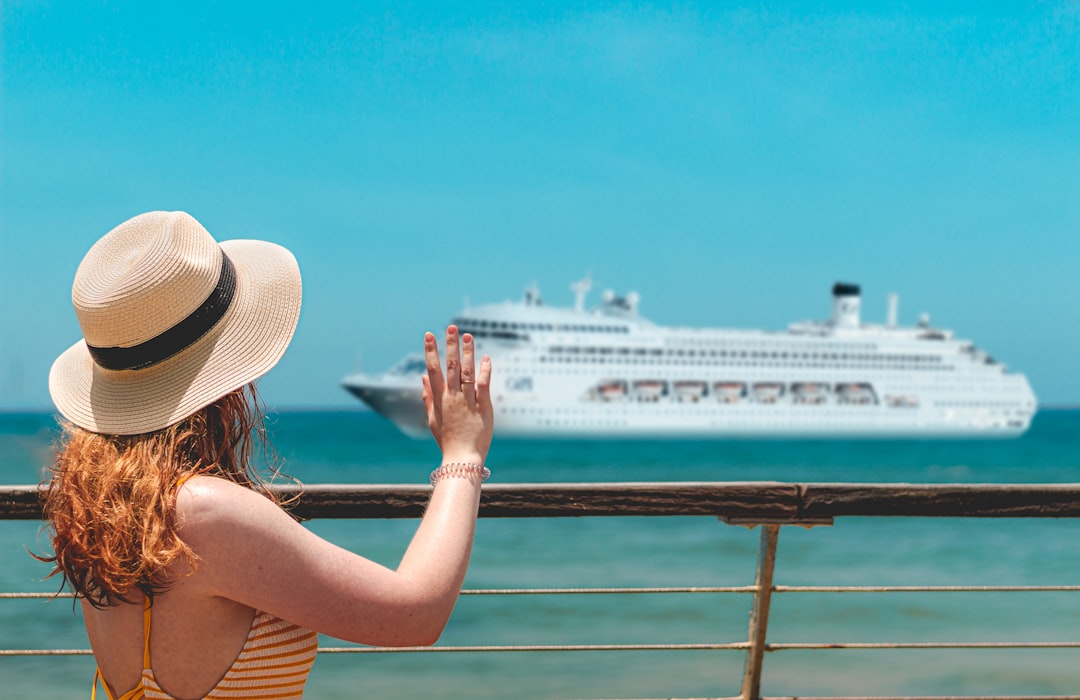
Understanding how the supplement works helps you plan realistically. Some lines waive or reduce it during promotional windows, while others build dedicated solo cabins into newer ships. Knowing the pattern lets you time your booking and set a budget that reflects the true cost of sailing alone.
Ways Solo Travelers Manage The Extra Cost
- Booking during promotional periods when supplements are reduced or removed
- Choosing ships that offer studio cabins designed for one person
- Traveling in shoulder seasons when demand and pricing soften
- Comparing loyalty programs that reward repeat solo bookings
Cabin Choices That Fit Solo Life
Your cabin shapes the daily rhythm of a cruise, and solo travelers often think differently about space than couples do. A smaller room may feel entirely comfortable when you are the only occupant, and the savings can be meaningful. On the other hand, a cabin with natural light and a bit of room to move can improve a longer voyage considerably.
Several cruise lines now build studio staterooms specifically for one person, sometimes with access to a private lounge. These rooms remove the supplement entirely, which changes the math on a solo trip. Weighing size against price is a personal calculation that depends on how much time you expect to spend in the room.
Onboard Service And Support Options
Service quality can matter more when you travel alone, since a helpful staff member becomes part of your daily experience. Solo travelers often appreciate attentive housekeeping, knowledgeable dining teams, and staff who remember names and preferences. This kind of care helps a large ship feel more personal and less anonymous.
Beyond hospitality, many lines offer solo dining tables, hosted gatherings, and enrichment programs that make it easier to meet people at your own pace. The best cruise ships for single seniors tend to invest in these touches, recognizing that many passengers travel independently and value a sense of community without pressure.
Service Features Worth Reviewing Before Booking
- Solo meet-up events scheduled early in the voyage
- Flexible or shared dining arrangements for single guests
- Dedicated hosts who coordinate activities for solo travelers
- Concierge support for excursions and onboard reservations
Matching The Itinerary To Your Interests
An itinerary can make or break a solo cruise, because the destinations often become the social and intellectual heart of the trip. Traveling alone gives you full control over how you spend your time ashore, whether that means guided tours, quiet exploration, or specialized excursions. The route you choose should reflect what genuinely draws you.
Nature-focused voyages appeal to many independent travelers, and the best Galapagos tours for seniors often pair small ships with expert guides who make wildlife accessible at a comfortable pace. River and expedition sailings tend to attract curious, engaged passengers, which can make solo travel feel more natural.
Comparing Cruise Lines And Ship Styles
Different lines cultivate different atmospheres, and the right match depends on your temperament as much as your budget. Some ships lean toward lively entertainment and large crowds, while others emphasize quiet enrichment, destination immersion, and understated comfort. For solo travelers, the ship's overall culture often matters more than any single amenity.
Options such as Viking cruises for single seniors have drawn attention for their focus on cultural programming and adult-oriented environments. Luxury cruises for singles over 50 may include more inclusive pricing, which can offset the supplement by bundling excursions, dining, and gratuities. Reviewing what each fare actually covers helps you compare value fairly.
Ship Characteristics That Shape The Experience
- Passenger count and the resulting sense of intimacy or scale
- Inclusive versus à la carte pricing structures
- Enrichment lectures, cultural programs, and quiet spaces
- The balance between structured activities and free time
Budgeting For The Full Cost Of A Voyage
The advertised fare rarely tells the whole story, so building a realistic budget protects you from unwelcome surprises. Beyond the base price and any supplement, you may face costs for excursions, specialty dining, gratuities, and travel to the port. Solo travelers absorb all of these expenses alone, which makes careful planning especially valuable.
Looking at inclusive fares can simplify comparisons, since a higher upfront price may cover items you would otherwise pay for separately. When you evaluate top cruises for seniors, weighing the total cost against the included features often reveals better long-term value than the headline number suggests.
Expenses To Account For When Planning
- Base fare plus any single supplement
- Shore excursions and guided tours
- Gratuities and onboard service charges
- Airfare, transfers, and pre-cruise hotel stays
Weighing Long-Term Value And Comfort
A cruise is an investment of both money and time, and its value extends beyond the days at sea. For solo travelers, comfort, safety, and ease of movement contribute heavily to whether a voyage feels worthwhile. A well-matched trip can encourage you to travel again, while a poor fit may sour the experience entirely.
Many travelers find that cruises for single seniors over 60 offer a manageable way to see distant places without the logistics of independent travel. When considering cruises for the elderly, accessibility features, medical support, and gentle pacing become part of the long-term value equation. These factors reward thoughtful evaluation before you commit.
Bringing Your Solo Cruise Plans Into Focus
Planning a solo cruise after 50 involves balancing several moving parts, from pricing and cabin type to service style and destination. Each choice reflects your priorities, and there is no single formula that fits every traveler. The clearer you are about what you want, the easier it becomes to interpret the many options available.
Taking time to compare fares, read what each line includes, and picture your daily routine at sea can reveal which voyages align with your goals. Solo cruising continues to grow as lines respond with studio cabins, hosted programs, and inclusive pricing.